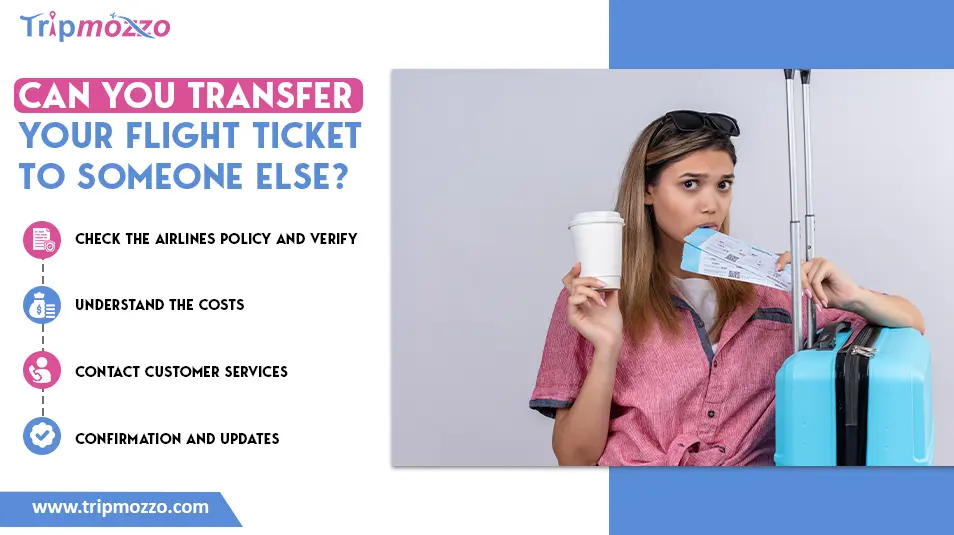
Can You Transfer Your Flight Ticket to Someone Else?
In the majority of cases, you cannot transfer your ticket to another individual. Airlines print tickets under the name of a particular passenger, and ...
01-04-2026
Read More
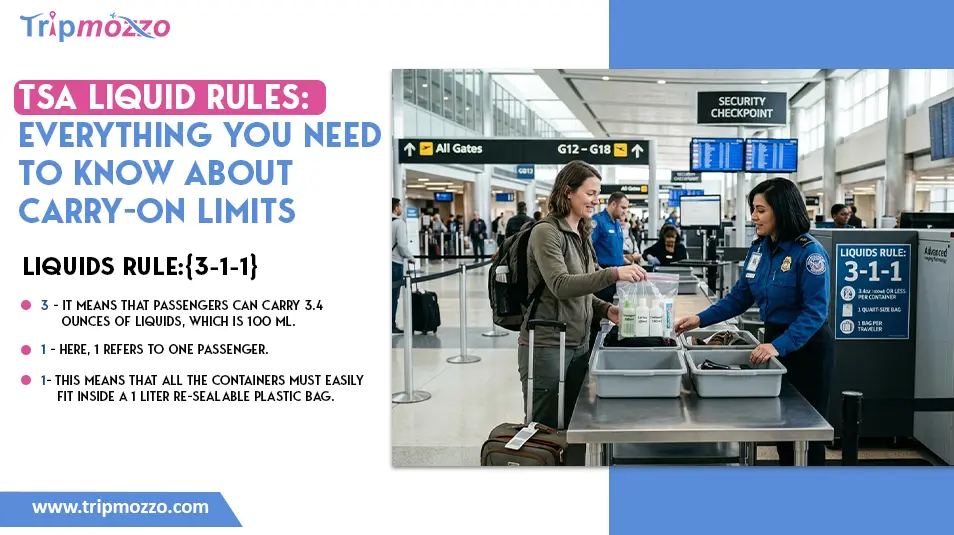
Table Of Content
Let's be honest - throwing something from the baggage can be really frustrating, and does it happen? Well, yes, when you are not aware of the TSA liquid rules. Airlines allow a certain amount of liquid for each passenger to bring on the plane.
The common question of passengers regarding liquids are:
Getting a clear answer and information helps the passenger to pack their carry-on bags effectively to avoid hassle later at the airport.
Airlines follow a 3-1-1 rule with some exceptions for baby food and medical items.
In this blog, you will understand the complete rules and regulations related to liquids in 2026 on a plane, which will save you money and time at the airport.
Most airlines follow simple and clear 3-1-1 rules for liquid limit on flights and passengers must follow these guidelines. The details are:
However, some airport with the latest technology allows the passenger to carry a 2-liter container but they still cannot violate the 100 ml liquid rule. It applies to all international and U.S.-bound travel. In case, passengers buy duty-free liquids at the airport or take on the airline after boarding, it will not fall under this rule.
Rules can vary slightly at European hubs; if you're planning a trip, see our latest deals on cheap flights to Spain.
The 3-1-1 is the carry on liquid limit to enhance the efficiency of the security screening for a convenient experience at the security checkpoint. This rule applies to your carry-on bag within the border and on flights within the United States. Additionally, this rule is applicable to the main cabin only and does not prohibit the passenger from how much they pack in their checked baggage.
As per the rule, the container size and liquid inside the bottle must be 3.4 ounces or less in your carry-on bag. If the container exceeds 3.4 ounces limit and the liquid inside is less than 100 ml, the airline would still not allow the passenger to carry the container and it must be either transferred to the checked bag or left at the airport.
What counts as liquid?
Exceptions to the Rule:
While TSA allows extra liquids for babies, ensure you also check the airline infant policy guide for stroller and seating rules during the flight.
In the 3-1-1 airplane liquid limit, "1" refers to the one quart-sized bag, which is around 1 liter per passenger. The plastic bag must be re-sealable. According to the rule, all the 100 ml containers must easily fit inside the bag that will removed from the carry-on bag and put in a separate bin for the X-ray screening. The security personnel use this equipment to perform item assessments for boarding line assistance. You must bring only a 1-liter bag because anything exceeding that limit would fail security screening yet its content is no more than 100 milliliters.
You need to inspect every object that behaves as a liquid at security checkpoints because you need to control your carry on liquid limit. The TSA 3-1-1 rule establishes container capacity limits which permit 3.4 ounces or 100 milliliters of liquid contents to be transported in a single quart-sized bag for various substances, including liquids gels, aerosols, creams, and pastes which populate daily life items that most people do not recognize as liquids.
Passengers must carry standard toiletries, which include shampoo and conditioner, body wash and liquid soap in containers that do not exceed 100 milliliters. The definition of liquids includes all liquid makeup products which people use for foundation and concealer and liquid eyeliner together with skin lotions and face creams and serums. The same treatment applies to hair gels and styling creams, and mousses. The gel/liquid regulations classify toothpaste, lip gloss, and mascara as gels despite their thicker consistency. Passengers may carry perfume, which comes in spray form, within small containers that contain 100 milliliters as their maximum capacity and must be stored inside a clear plastic bag.
People consider many food items to be liquids because they can be poured or spread without difficulty. Every food item that includes yogurt and custard, jam, honey and peanut butter and other nut or seed spreads must be packed in 100 milliliter containers for carry-on items because they count toward your liquid limit. The same rules apply to soups and sauces, syrups and oils and dressings. Security personnel commonly categorize all items that include hummus or soft cheese as liquids. The limit for packing requires you to use checked luggage when your needed quantity exceeds 100 milliliters. Medical foods and baby formula need to be declared although they usually receive an exemption from screening when they arrive for inspection.
People need to handle specific liquids that exceed the 100 ml / 3.4-ounce limit for carry-on items yet security staff require them to do proper handling of these liquids. The security process requires specific regulations for parents who travel with infants and toddlers because they need to assist passengers who have medical needs during their travel. Rules governing baby formula and breast milk and juice consumption
Parents traveling with infants and young children can bring baby formula breast milk and juice in amounts exceeding 100 milliliters because these items do not fall under the 3-1-1 rule. Passengers must inform TSA agents about their belongings at the checkpoint yet they should not make any prior announcements and must present their items for examination. The testing process includes opening containers to inspect their content in particular situations which involve large or opaque containers. The Transportation Security Administration allows people to carry powdered formula through security checkpoints because it does not count as a liquid yet anyone who mixes liquid or concentrate from powdered formula must follow the transportation regulations. The exemption applies only to necessary travel items between the departure and arrival locations.
Medically necessary liquids which include saline solution, eye drops, liquid medications and certain injectable drugs do not require users to follow the 100 ml container restriction. Travelers may bring their required prescription liquid medications beyond standard limits when they possess original medication containers or clear medication label identification. Security personnel must be informed about these items, while travelers must hold documentation to support their need to bring non-standard items in large quantities. Travelers should store their hand sanitizer and certain medical wipes according to 100 ml unit limits because these products might have per-container restrictions or they should check the specific airline regulations before their flight.
If you have a large medical device or unusual liquid requirements, it's best to call the airline customer service ahead of time to avoid boarding delays.
The correct method for packing your TSA liquids enables you to pass through security checkpoints without experiencing any delays. The 3-1-1 rule requires you to pack your liquids in a quart-sized bag which decreases the possibility of your items being scanned again or taken by security staff. The ability to determine when to transfer larger liquid containers into checked baggage helps you maintain your carry-on items within security restrictions while avoiding the need to unpack items at the last moment.
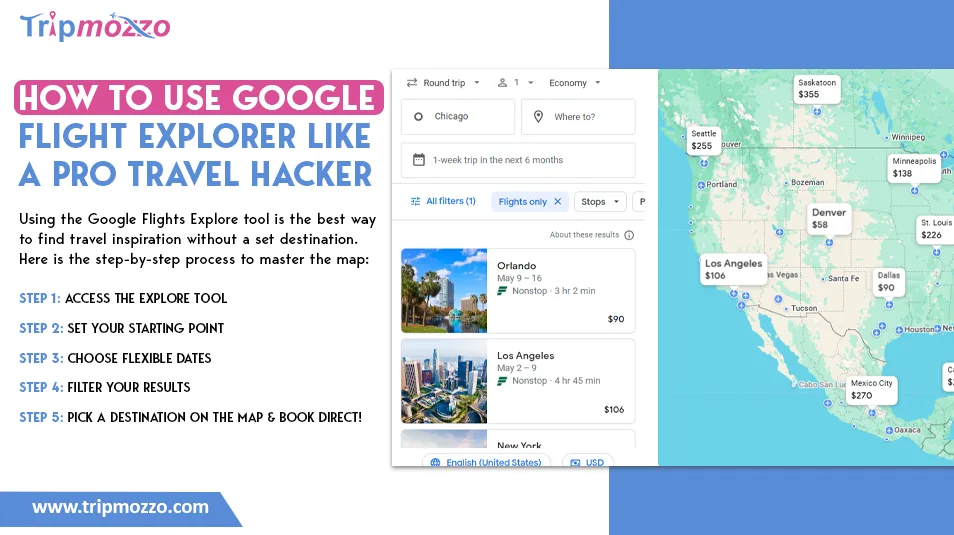
Once your packing list is ready, use the Google Flight Explorer tool to find the best dates for your next hassle-free trip.
Carry-on bags have a limit to the liquids but checked baggage does not restrict the passengers how much liquid to pack in the bag. Here are when to move liquids in the checked bag:
Check your specific baggage allowance in our airline reservation policy hub to see if a checked bag is included in your fare.
Removing items from the bags can be frustrating. However, if passengers are aware of the rules and then plan their packing accordingly, they can avoid these hassle at the airport. To pack your bag perfectly, here are some tips that can help you:
The TSA 3-1-1 liquid rules must be understood by travelers because they form the foundation of successful travel procedures. The security checkpoints will experience fewer problems when passengers follow the 3.4 ounces (100 ml) restriction for each container and the 1 quart-sized re-sealable plastic bag rule. Security regulations permit travelers to transport their necessary medications and infant formula and their duty-free purchases. Your travel system needs you to organize your toiletries which include liquids and essential items because this process will stop any items from being taken away during your trip which lets you travel without issues.
Frequently Asked Questions
Can I bring a full bottle of water if it's frozen?
The security procedure permits you to bring frozen water bottles which remain fully frozen; however, all unfrozen water must comply with regular liquid limits.
Does toothpaste count as a liquid?
Toothpaste qualifies as a gel which belongs in your carry?on bag as a 100 ml or smaller container.
Are there exceptions for baby formula?
Baby formula and breast milk plus juice for infants can bypass the 100 ml limit but need security declaration and screening.
Is solid deodorant considered a liquid?
Solid deodorant exists outside the liquid category which permits its transportation through both carry-on and checked luggage.
All Categories
Looking for detailed information on airline policies, terms & conditions, and more?
Call now to get complete guidance.
+1-888-933-0080Recent Articles